
A small spelling mistake can change the appearance of an otherwise perfect sentence. One example is the confusion between Grately and Greatly. These two forms look almost the same, and the difference is easy to miss when typing quickly. However, only one is the correct spelling in standard English.
The correct word is Greatly. It is an adverb used to describe something that happens to a large degree or has a strong effect. You may see it in sentences such as “Your support greatly helped us” or “The situation has greatly improved.”
On the other hand, Grately is a common misspelling of greatly. It is not the standard form you should use in school assignments, emails, articles, or professional documents.
The good news is that remembering the correct spelling is simple. You only need to keep the complete word great before adding -ly. This guide explains the difference with easy examples, useful sentence patterns, and practical tips.
Grately
Incorrect
Greatly
Considerably
The Answer in One Look
If you are unsure which spelling to choose, remember this:
- Greatly: Correct spelling; means to a large degree or very much.
- Grately: Incorrect spelling when you intend to write greatly.
Examples:
- Your advice greatly helped me.
- We greatly appreciate your support.
- The new system greatly improved the process.
Writing grately in these sentences would be a spelling error.
Meet the Correct Word: Greatly
Greatly is an adverb formed from the adjective great and the suffix -ly. It tells readers how much something happens or how strong an effect is.
In simple words, it means very much, considerably, or to a large extent.
For example:
“Her confidence increased greatly.”
This means her confidence increased by a significant amount.
Another example:
“The new design greatly improved the website.”
Here, greatly explains how much the design improved the website.
What Makes Greatly Useful?
Greatly is useful when you want to emphasize the degree of an action, change, feeling, or effect.
Consider these examples:
- The weather has greatly improved.
- I greatly admire her dedication.
- The decision greatly affected the team.
- His writing skills have improved greatly.
- We greatly value your time.
Without greatly, the sentences still make sense. However, the word adds emphasis and tells the reader that the effect or feeling is strong.
Why Grately Looks Correct but Isn’t
The spelling grately can look believable because it differs from greatly by only one letter. People sometimes write it because they remember the sound of the word but forget its exact spelling.
Another reason is that English has several familiar words that begin with similar letters, such as grateful, gratitude, and grate. These words may influence how someone tries to spell greatly.
However, the correct word keeps the complete spelling of great.
Remember:
Great + ly = Greatly
Not:
Grat + ely = Grately
The spelling is based on the word great, not grate.
The Small Spelling Rule Behind Greatly
You do not need to learn a complicated grammar rule to spell this word correctly.
Start with the adjective:
Great
Then add the adverb-forming ending:
-ly
The result is:
Greatly
The base word remains unchanged.
You can use the same idea with many other adjectives:
- Quick → Quickly
- Slow → Slowly
- Careful → Carefully
- Beautiful → Beautifully
- Hopeful → Hopefully
- Great → Greatly
This pattern helps explain why the second e stays in the word.
Greatly in Everyday Conversations
Although greatly is common in formal writing, it also works naturally in everyday communication.
Imagine thanking someone for helping you. You might say:
“I greatly appreciate your help.”
This sounds polite and expresses strong appreciation.
Here are more everyday examples:
- I greatly enjoyed the movie.
- Your message greatly cheered me up.
- This change has greatly helped our family.
- I greatly respect your opinion.
- We greatly appreciate your kindness.
The word is especially useful when you want to express a strong feeling without using overly complicated language.
Related Comparison: Uncollectible vs Uncollectable: Which Spelling Is Correct?
Five Situations Where Greatly Fits Naturally
Instead of memorizing random sentences, learn the situations in which people commonly use greatly.
Showing Appreciation
Use greatly to express how much you value someone’s help, kindness, or support.
Examples:
- I greatly appreciate your patience.
- We greatly appreciate your cooperation.
- Your kindness is greatly appreciated.
Describing Improvement
When something becomes much better, greatly can emphasize the change.
Examples:
- Her English has greatly improved.
- The new equipment greatly improved production.
- The service has greatly improved over the years.
Explaining a Strong Effect
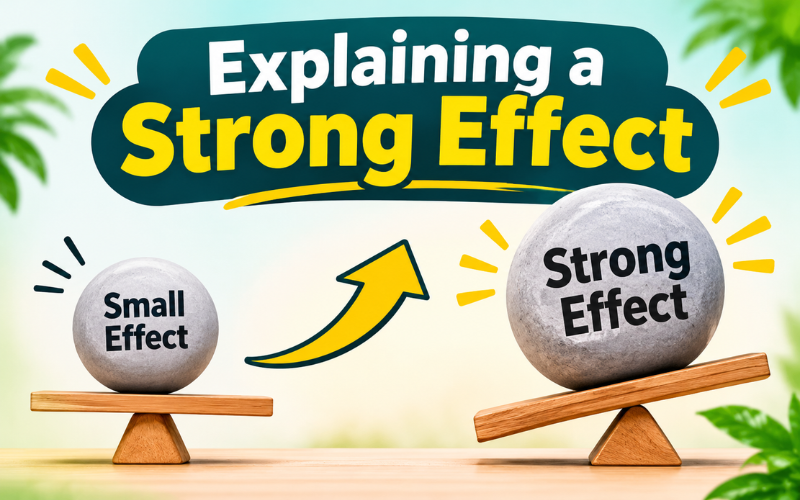
Use the word when an event or decision has a significant impact.
Examples:
- The weather greatly affected our plans.
- The announcement greatly influenced public opinion.
- The delay greatly changed the schedule.
Expressing Admiration
Greatly can show strong respect or admiration.
Examples:
- I greatly admire her honesty.
- He is greatly respected by his colleagues.
- The teacher was greatly admired by her students.
Describing a Major Difference
The word can also emphasize how much two things differ.
Examples:
- The two designs differ greatly.
- Their opinions vary greatly.
- The prices have changed greatly.
Greatly vs Great: Why Are They Different?
These two words are related, but they do different jobs in a sentence.
Great is usually an adjective. It describes a person, thing, experience, or quality.
Greatly is an adverb. It describes the degree or extent of an action or condition.
Compare:
- She is a great teacher.
- She greatly helped her students.
In the first sentence, great describes the teacher.
In the second sentence, greatly explains how much she helped.
More examples:
- It was a great experience.
- I greatly enjoyed the experience.
- He is a great leader.
- His team greatly respects him.
- This is a great improvement.
- The results have greatly improved.
Knowing this difference will help you choose the right form instead of using the words randomly.
Greatly and Gratefully: Don’t Mix Them Up
Another word that can create confusion is gratefully.
It looks similar to greatly, but it has a different meaning.
- Greatly: To a large degree or very much.
- Gratefully: In a thankful or appreciative way.
Look at these sentences:
“I greatly appreciate your help.”
“I gratefully accepted her offer.”
The first sentence emphasizes the degree of appreciation. The second describes accepting something with gratitude.
Here are more examples:
Greatly
- The advice greatly helped me.
- We greatly value your support.
- The situation improved greatly.
Gratefully
- She gratefully thanked her friend.
- He gratefully accepted the gift.
- They gratefully acknowledged the assistance.
Do not replace one word with the other just because they look similar.
Common Phrases That Always Use Greatly
Some expressions are especially useful to remember. They appear in emails, conversations, articles, and professional messages.
Greatly appreciated
- Your help is greatly appreciated.
- Any additional information would be greatly appreciated.
Greatly improved
- The quality has greatly improved.
- Her performance has greatly improved.
Greatly affected
- The decision greatly affected the company.
- The weather greatly affected the journey.
Greatly enjoyed
- I greatly enjoyed the event.
- We greatly enjoyed our visit.
Greatly increased
- Production has greatly increased.
- The demand for the product increased greatly.
Learning these phrases makes it easier to use the correct spelling naturally.
Related Comparison: Emaculate vs Immaculate: Which Spelling Is Correct?
How to Correct Grately During Editing
Suppose you are writing an email and type:
“We grately appreciate your time and cooperation.”
The sentence has a spelling error. You do not need to rewrite the whole message. Simply correct the word:
“We greatly appreciate your time and cooperation.”
Here are a few more corrections:
| Incorrect Sentence | Correct Sentence |
| I grately admire your work. | I greatly admire your work. |
| The situation improved grately. | The situation improved greatly. |
| We grately value your feedback. | We greatly value your feedback. |
| Your support helped us grately. | Your support helped us greatly. |
| The changes affected the results grately. | The changes affected the results greatly. |
A useful editing habit is to check words that look familiar but are easy to misspell. A quick review can catch small errors before you share your writing.
Short Paragraphs Using Greatly
These paragraphs show how greatly works in complete situations.
A Helpful Teacher
Our teacher has greatly improved the way lessons are taught. She explains difficult ideas in simple language and gives students enough time to practice. Her efforts have greatly increased our confidence in the classroom.
A Better Workplace
The company introduced a new system to organize daily tasks. The change greatly reduced delays and helped employees complete their work more efficiently. Everyone noticed the improvement.
A Thank-You Message
I greatly appreciate everything you have done for me. Your advice helped me make a better decision, and your support made a difficult situation easier.
Learning a New Skill
Practice can greatly improve your performance. At first, a new skill may seem difficult, but regular effort makes a difference. Over time, your confidence can grow greatly.
A Quick Memory Trick for Greatly
Whenever you feel confused between grately and greatly, look for the original word inside the spelling.
The correct word contains:
G-R-E-A-T + L-Y
You should be able to see the complete word GREAT inside GREATLY.
Try saying this reminder:
“Keep GREAT, then add LY.”
This short trick is useful when writing quickly, preparing assignments, or checking an article.
Related Comparison: Unenroll vs Disenroll: Meaning, Differences, Examples
Practice Challenge: Can You Spot the Correct Spelling?
Choose the correct option to test your spelling.
Which spelling is correct?
A. Grately
B. Greatly
Complete the sentence:
“We _____ appreciate your kindness.”
A. grately
B. greatly
Choose the correct sentence:
A. Her skills have improved greatly.
B. Her skills have improved grately.
Which word means ‘in a thankful way’?
A. Greatly
B. Gratefully
Complete the sentence:
“The new plan _____ reduced our expenses.”
A. greatly
B. grately
Which word should you use to describe something that happens to a large degree?
A. Greatly
B. Grately
Answer Key
- B. Greatly — This is the standard spelling.
- B. Greatly — It correctly emphasizes the degree of appreciation.
- A. Her skills have improved greatly. — The word is spelled with great followed by ly.
- B. Gratefully — It means in a thankful way.
- A. Greatly — It explains how much expenses were reduced.
- A. Greatly — It means to a large extent.
FAQs
Is Grately a Correct Word?
No. Grately is not the standard spelling of the word used to mean very much or to a large degree. The correct spelling is greatly.
What Does Greatly Mean?
Greatly means very much, considerably, or to a large extent. It is used to describe the degree of an action, change, feeling, or effect.
Why Is Greatly Spelled With Two Es?
The word is formed from great and the suffix -ly. The original spelling of great stays unchanged, giving us greatly.
Can I Use Greatly in Formal Writing?
Yes. Greatly is suitable for academic writing, business emails, professional documents, and everyday communication.
Is Greatly an Adjective or an Adverb?
Greatly is an adverb. It usually modifies a verb or describes the degree of an action or effect.
Conclusion
The choice between Grately vs Greatly is simple once you remember the correct word. Greatly is the standard English spelling, and it means very much or to a large degree. Grately is a spelling mistake and should not be used in place of it.
Keep the word great unchanged and add -ly to form greatly. Whether you are writing a thank-you message, describing an improvement, or explaining a strong effect, this simple spelling reminder will help you write the word correctly.
For More Comparisons Visit: Wordzify